

TIBIAL PILON [CASE 03] Anterolateral and Posteromedial Approaches
TIBIAL PILON [CASE 03] Anterolateral and Posteromedial Approaches
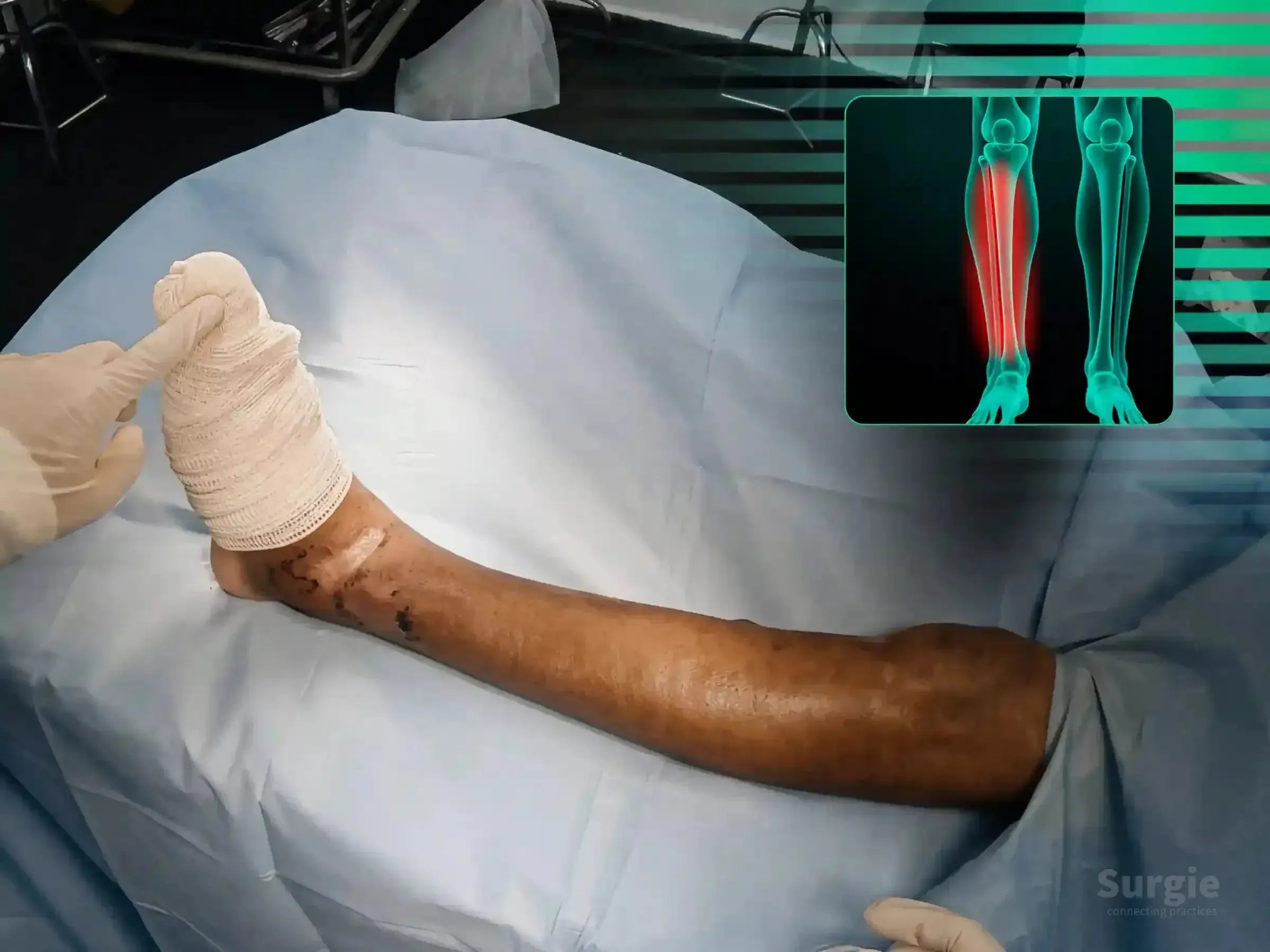
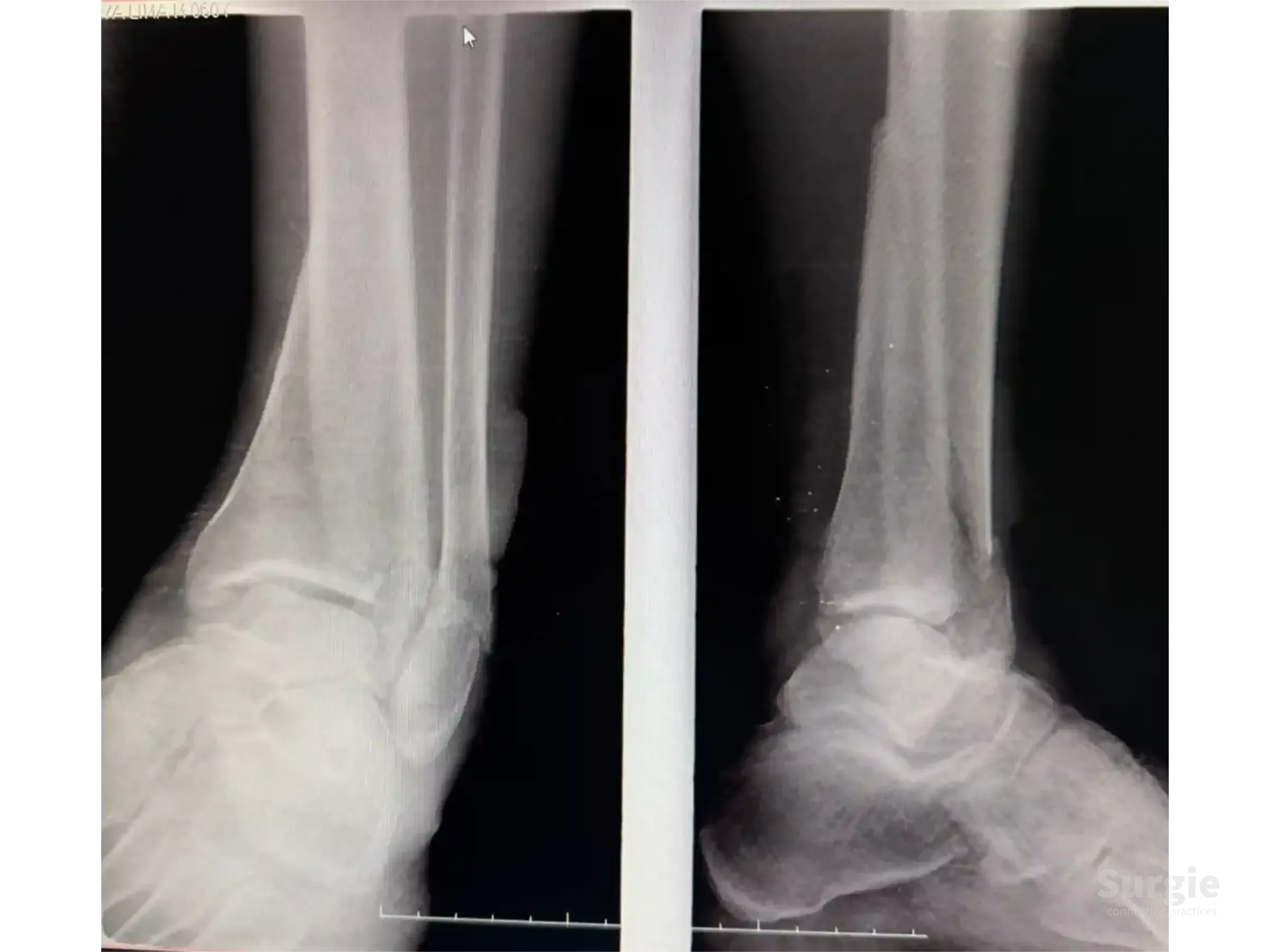
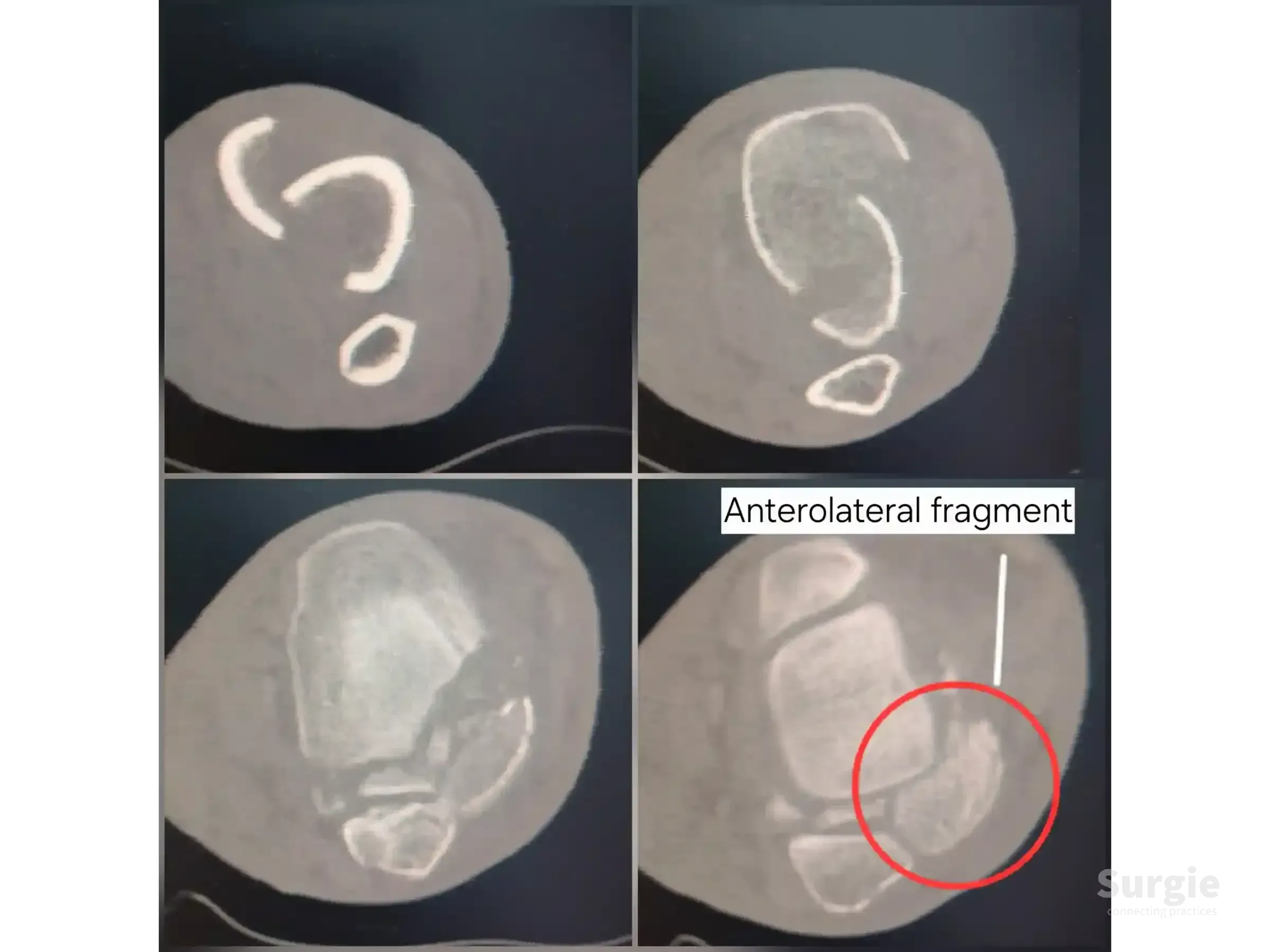
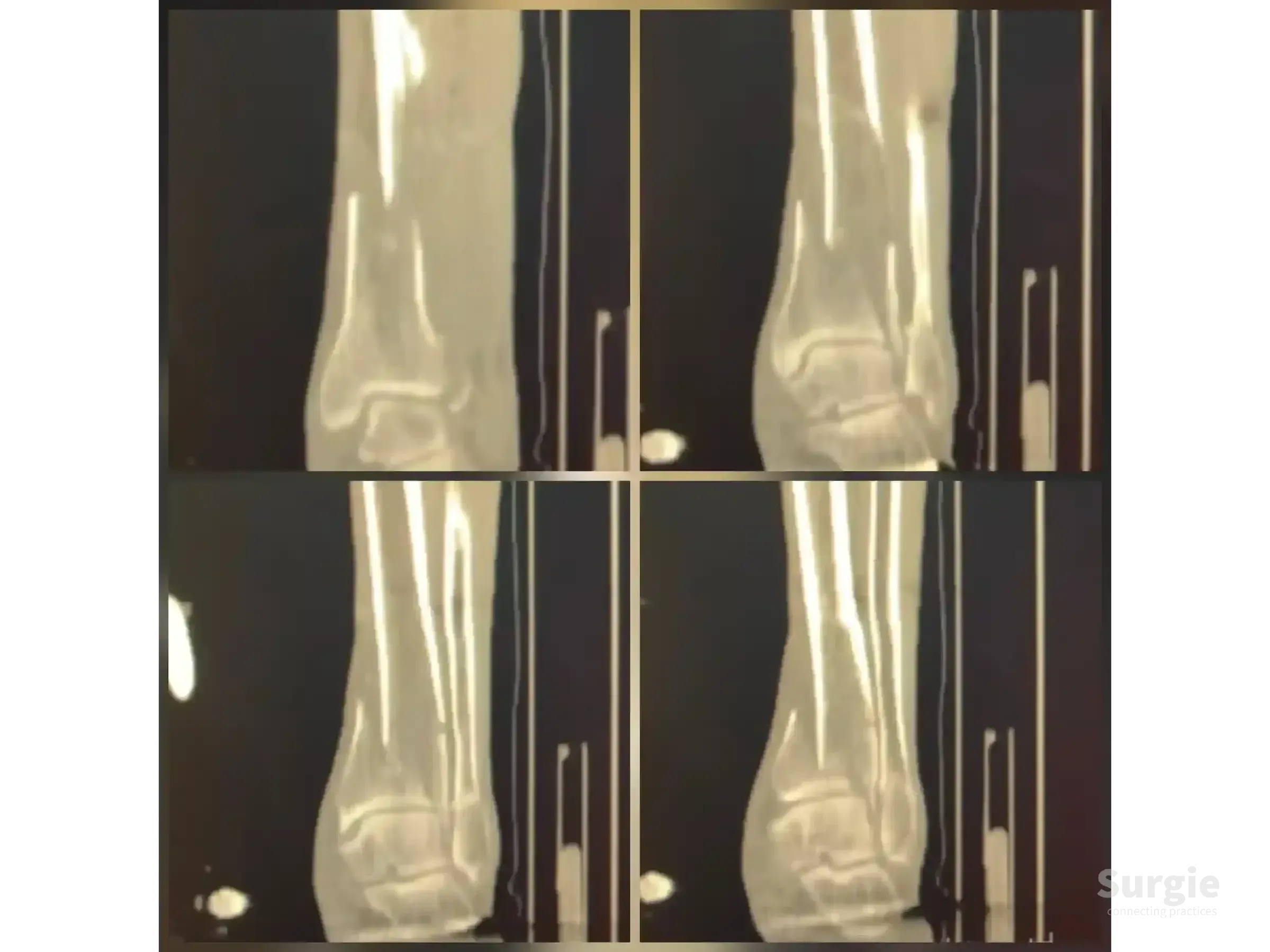
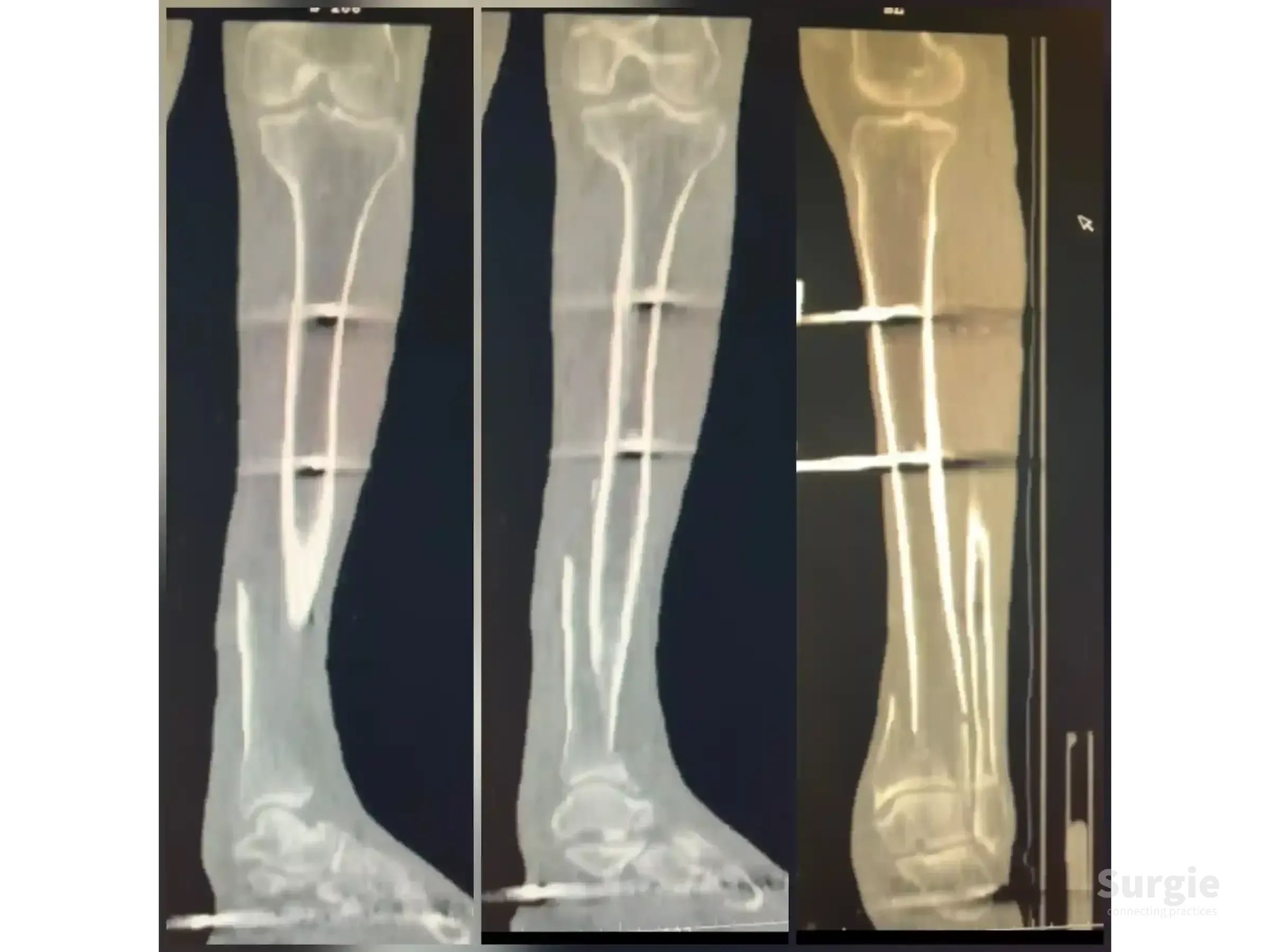
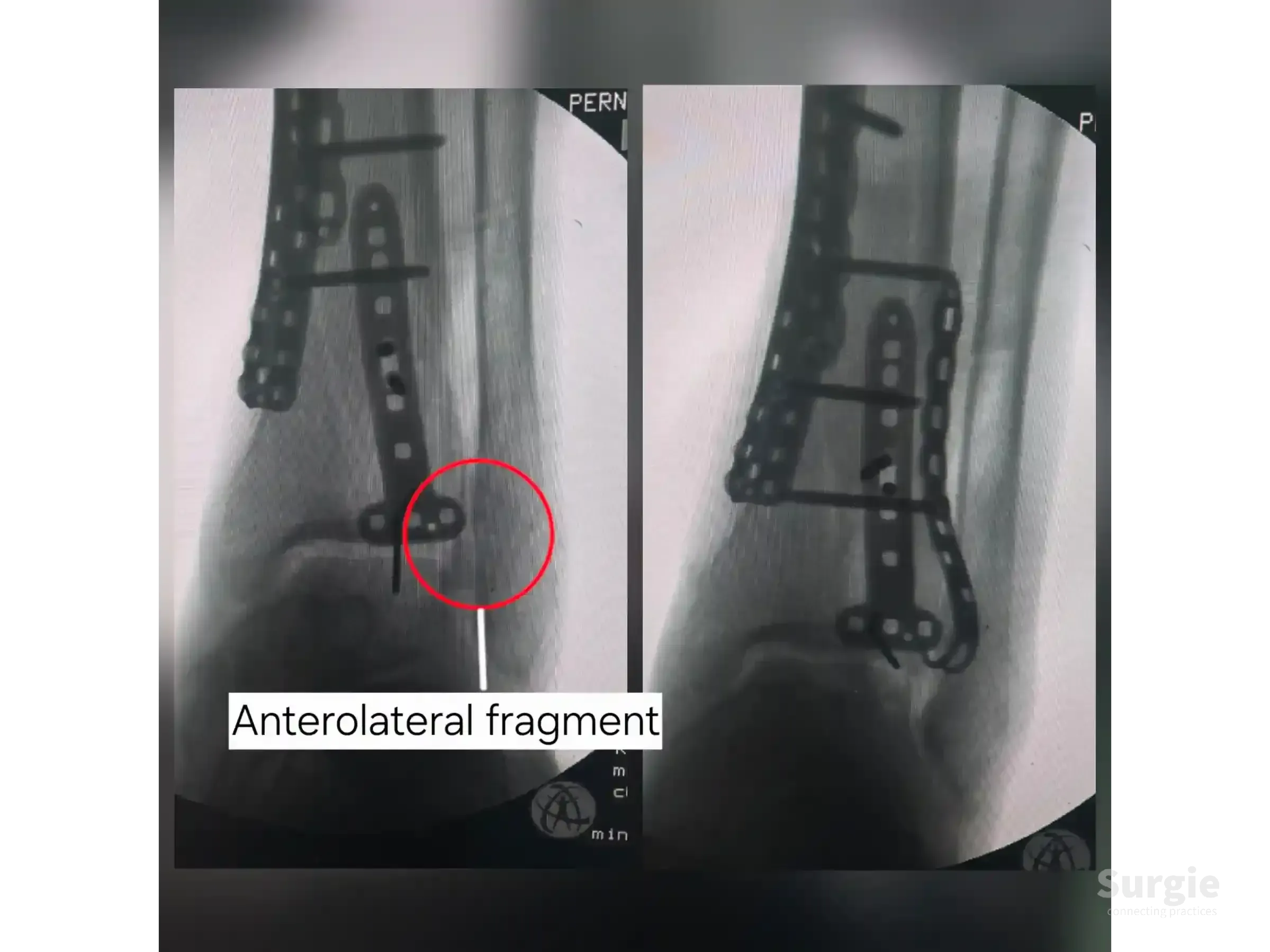
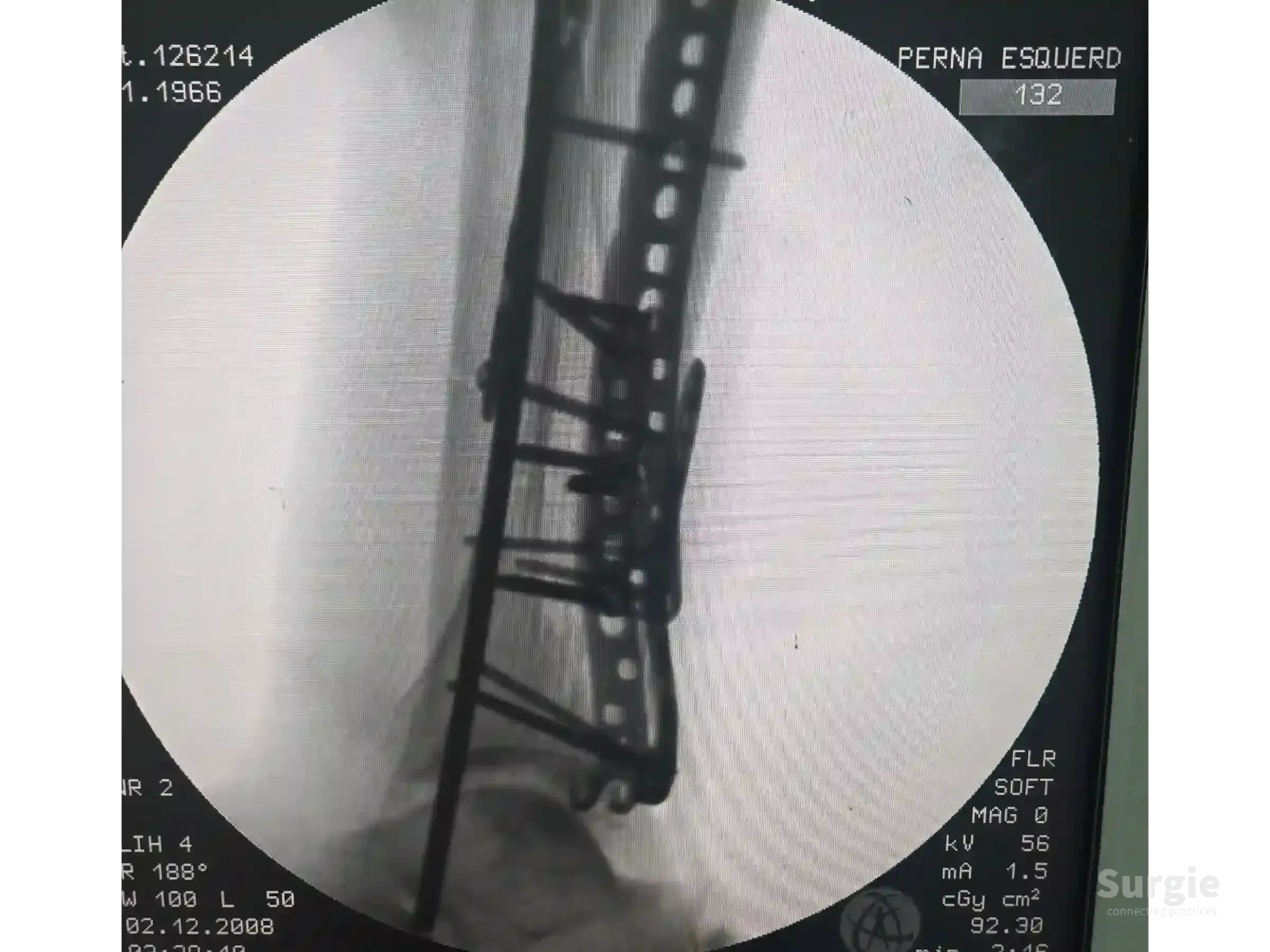
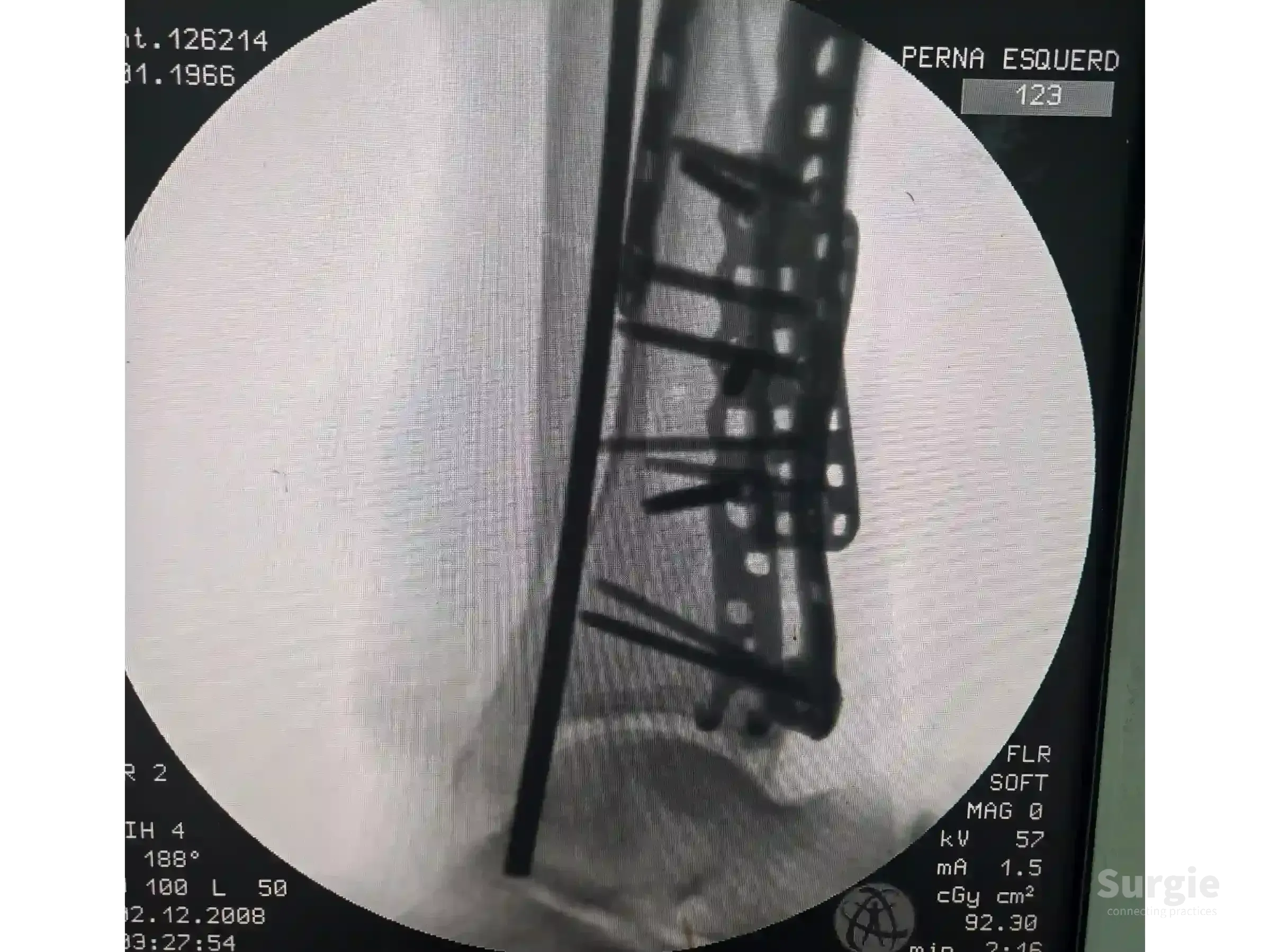
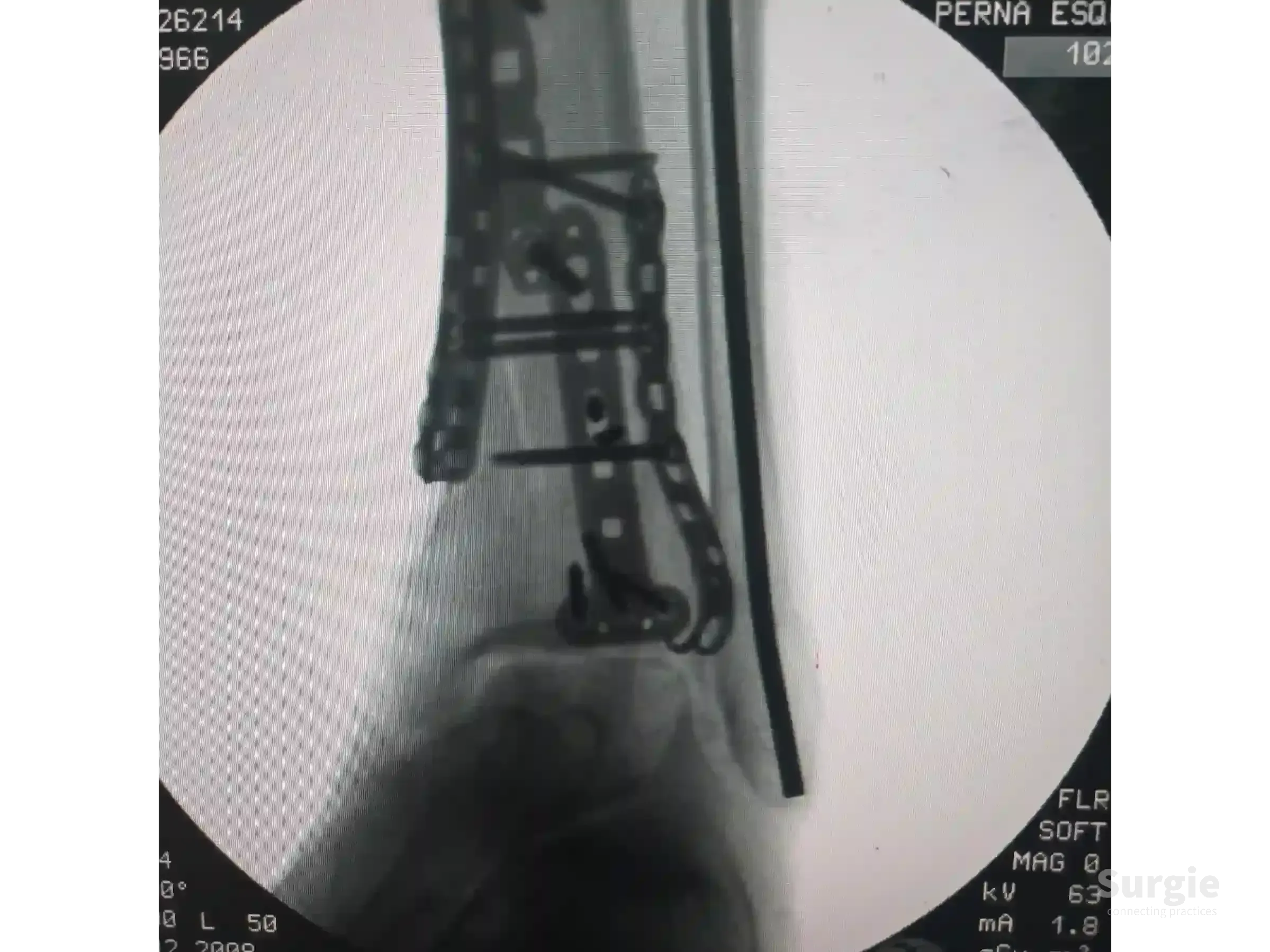
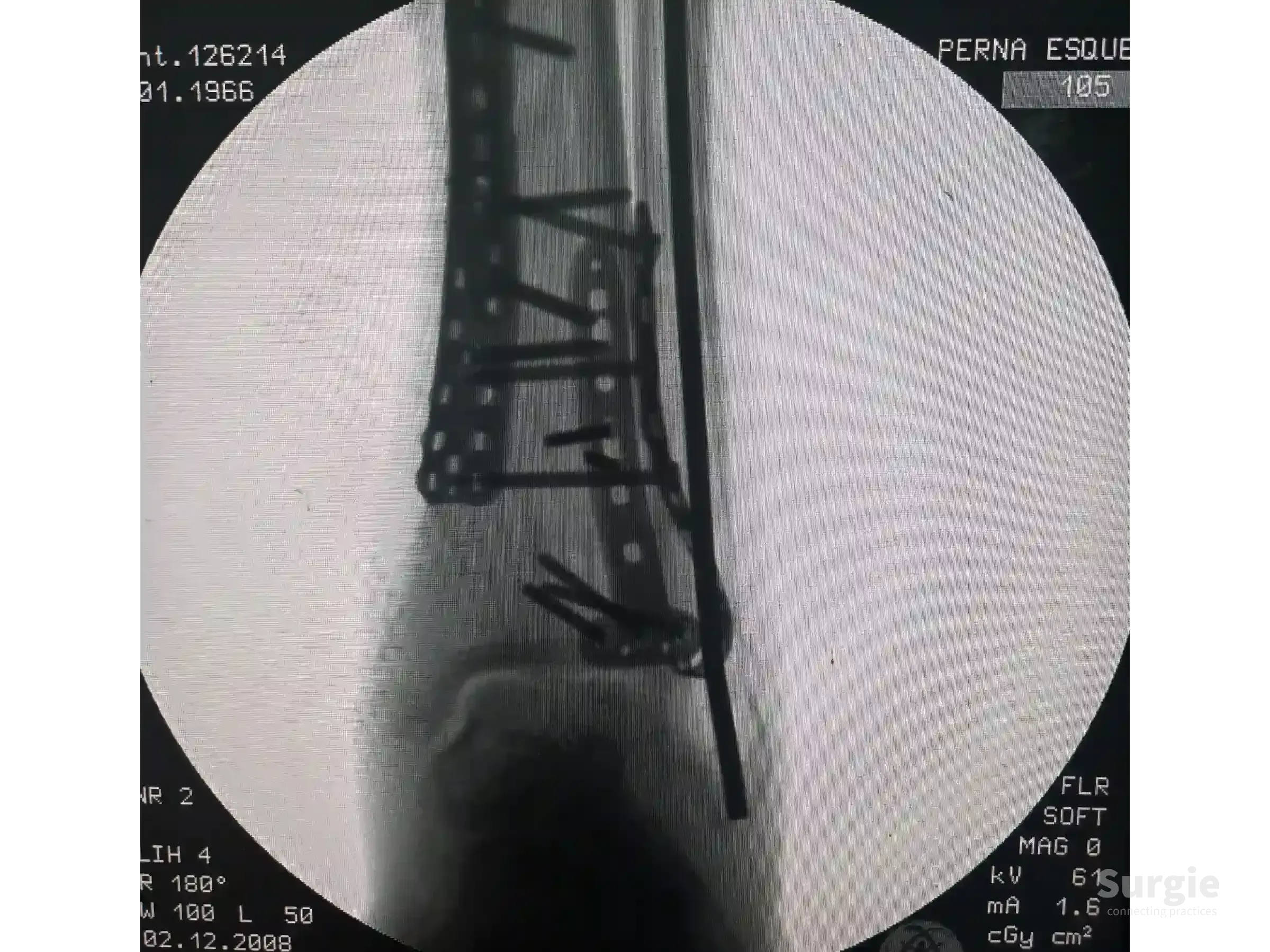
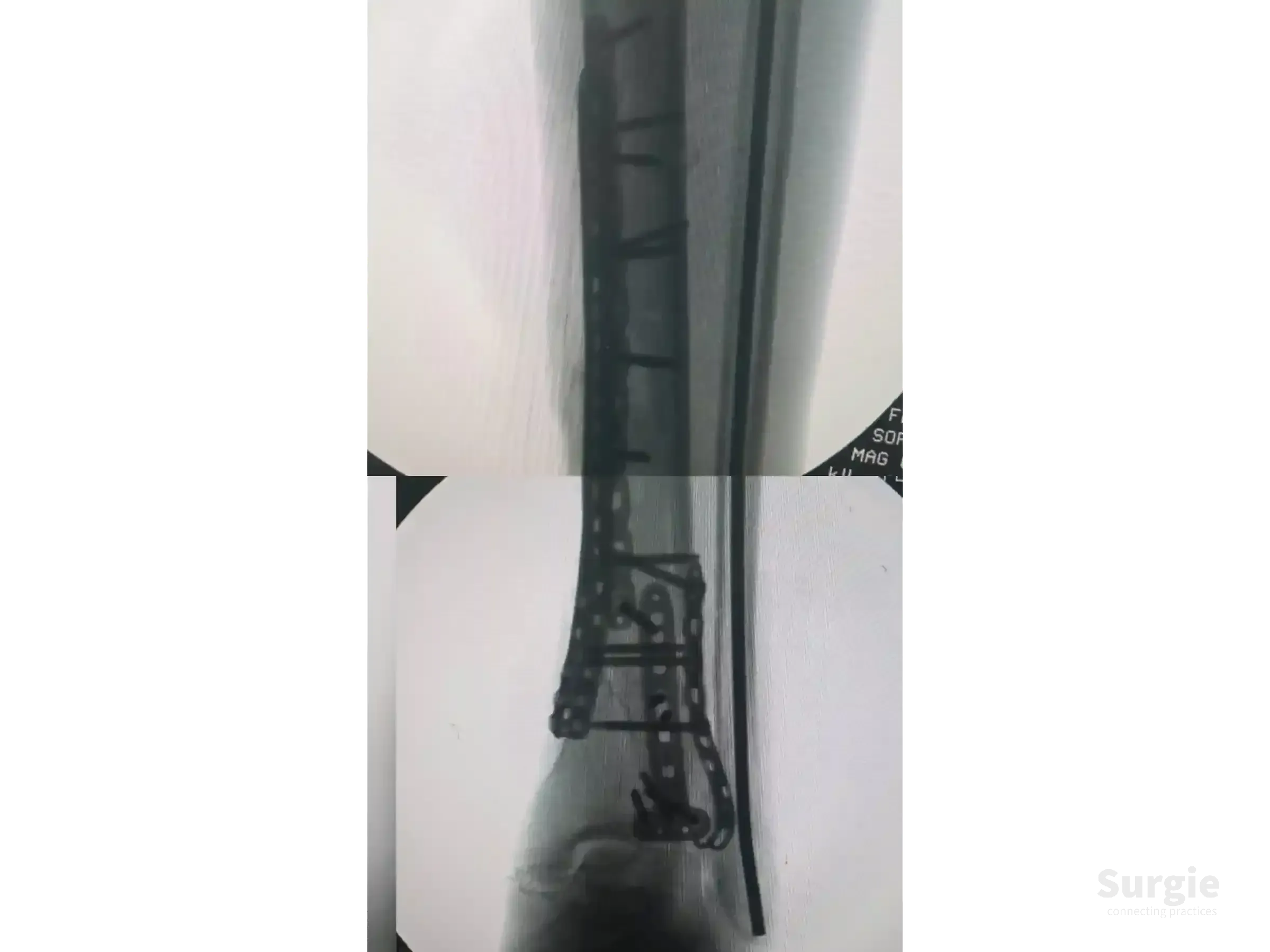
This educational case presents a tibial pilon fracture of the ankle region managed with careful attention to soft-tissue condition, fracture morphology, and sequential reduction planning. The discussion emphasizes the role of initial external fixation when the soft-tissue envelope is not suitable for definitive fixation, followed by tomographic analysis to identify a displaced anterolateral fragment that limited reduction.
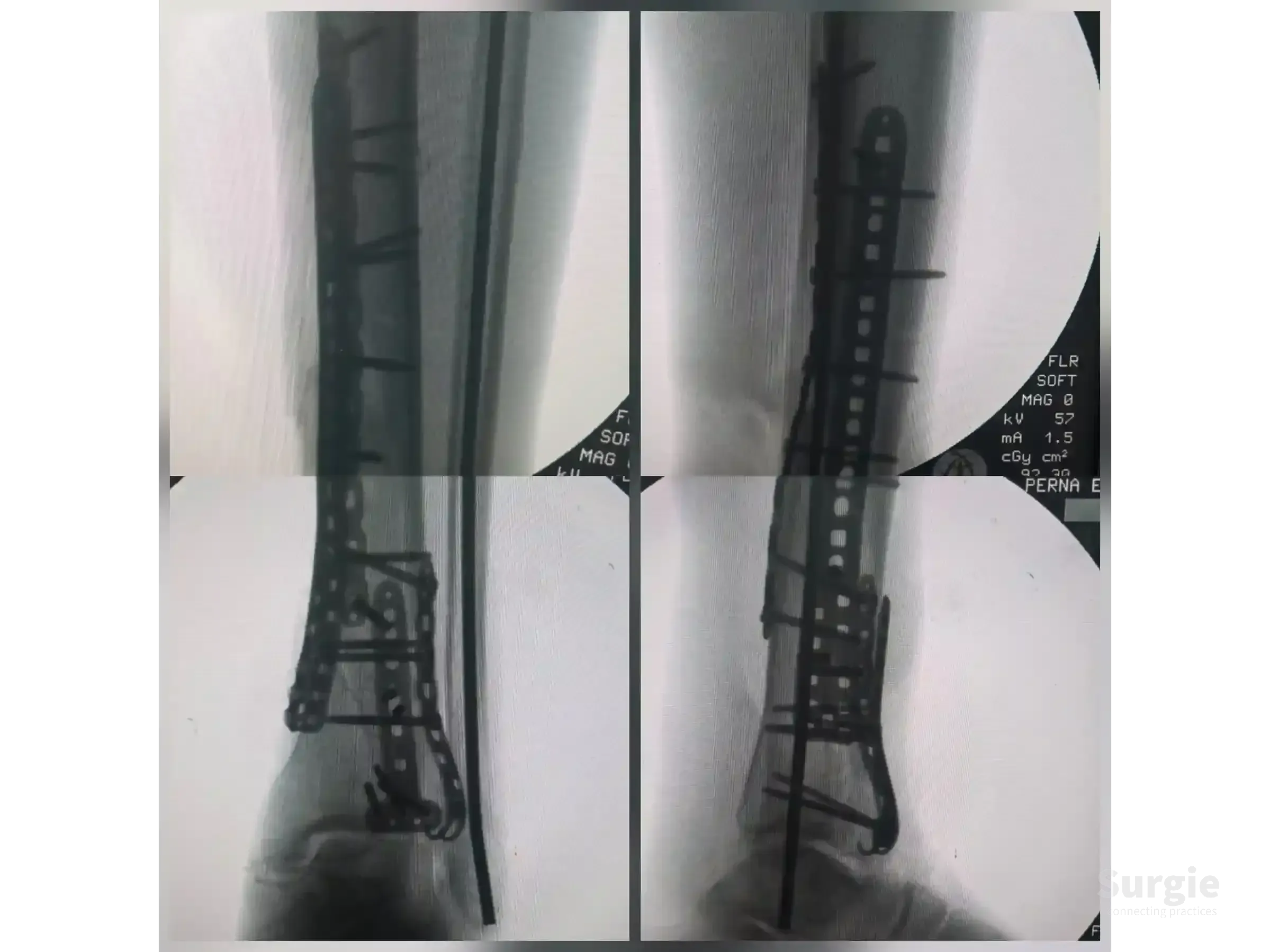
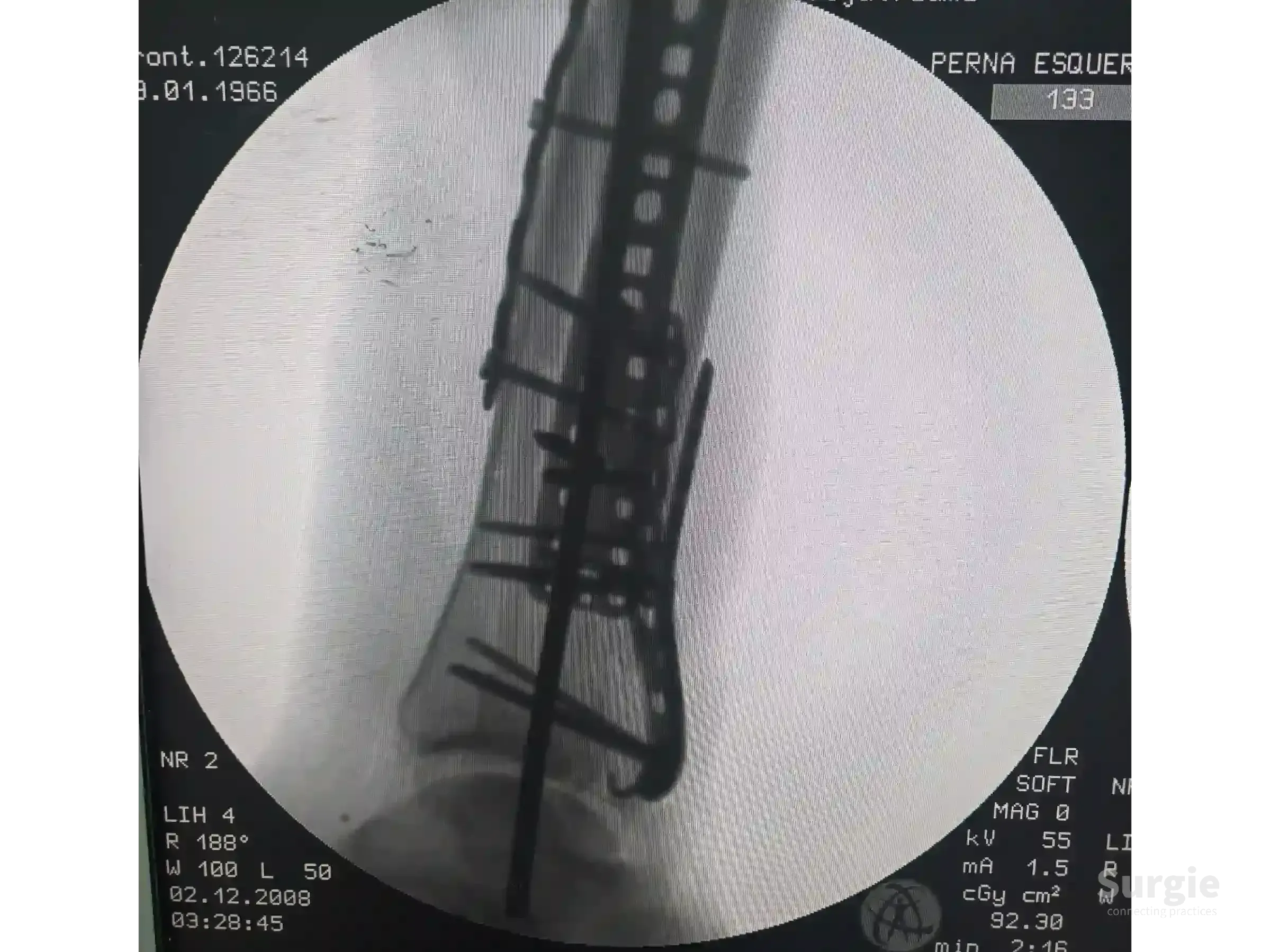
The case walks through the anterolateral approach, including identification, release, and protection of the superficial fibular nerve, development of the surgical interval, exposure of the displaced anterolateral tibial fragment, provisional fixation, and use of a plate as both a fixation and reduction tool. It then transitions to the posteromedial approach, highlighting how the fracture apex, long oblique fracture line, implant positioning, clamp strategy, and plate-assisted reduction can guide restoration of alignment in a delayed setting with fibrotic tissue between fragments.
The content is designed for procedural learning in orthopedic trauma, with emphasis on anatomy, surgical reasoning, implant strategy, reduction sequence, and safe technical review. It is not intended to replace formal surgical training, institutional protocols, or specialist supervision.
INCLUDED CONTENT
- Case-based review of a tibial pilon fracture involving the ankle region
- Discussion of staged management after initial external fixation
- CT-based reasoning for identifying a displaced anterolateral fragment
- Step-by-step educational review of the anterolateral approach
- Identification and protection of the superficial fibular nerve
- Exposure and reduction of the anterolateral distal tibial fragment
- Use of provisional fixation and plate-assisted reduction
- Posteromedial approach planning based on fracture anatomy
- Discussion of fracture apex identification and reduction parameters
- Implant and clamp strategy for posteromedial reduction
- Educational commentary on procedural decision-making in orthopedic trauma
TARGET AUDIENCE
- Orthopedic trauma surgeons
- Orthopedic surgery residents and fellows
- Foot and ankle surgeons with an interest in trauma reconstruction
- Medical educators teaching fracture management
- Surgical trainees studying distal tibia and ankle fracture approaches
EDUCATIONAL NOTICE
This content is intended for medical education and procedural review only. It does not provide patient-specific medical advice, does not guarantee clinical outcomes, and should not replace formal training, specialist supervision, institutional protocols, or independent clinical judgment. All procedural content should undergo appropriate human medical review before educational or clinical use.
Choose options
TIBIAL PILON [CASE 03] Anterolateral and Posteromedial Approaches

HD Surgical Videos
High-quality procedure-based training.