

Transtrochanteric Fracture with Intramedullary Nail (Without Traction Table) 01
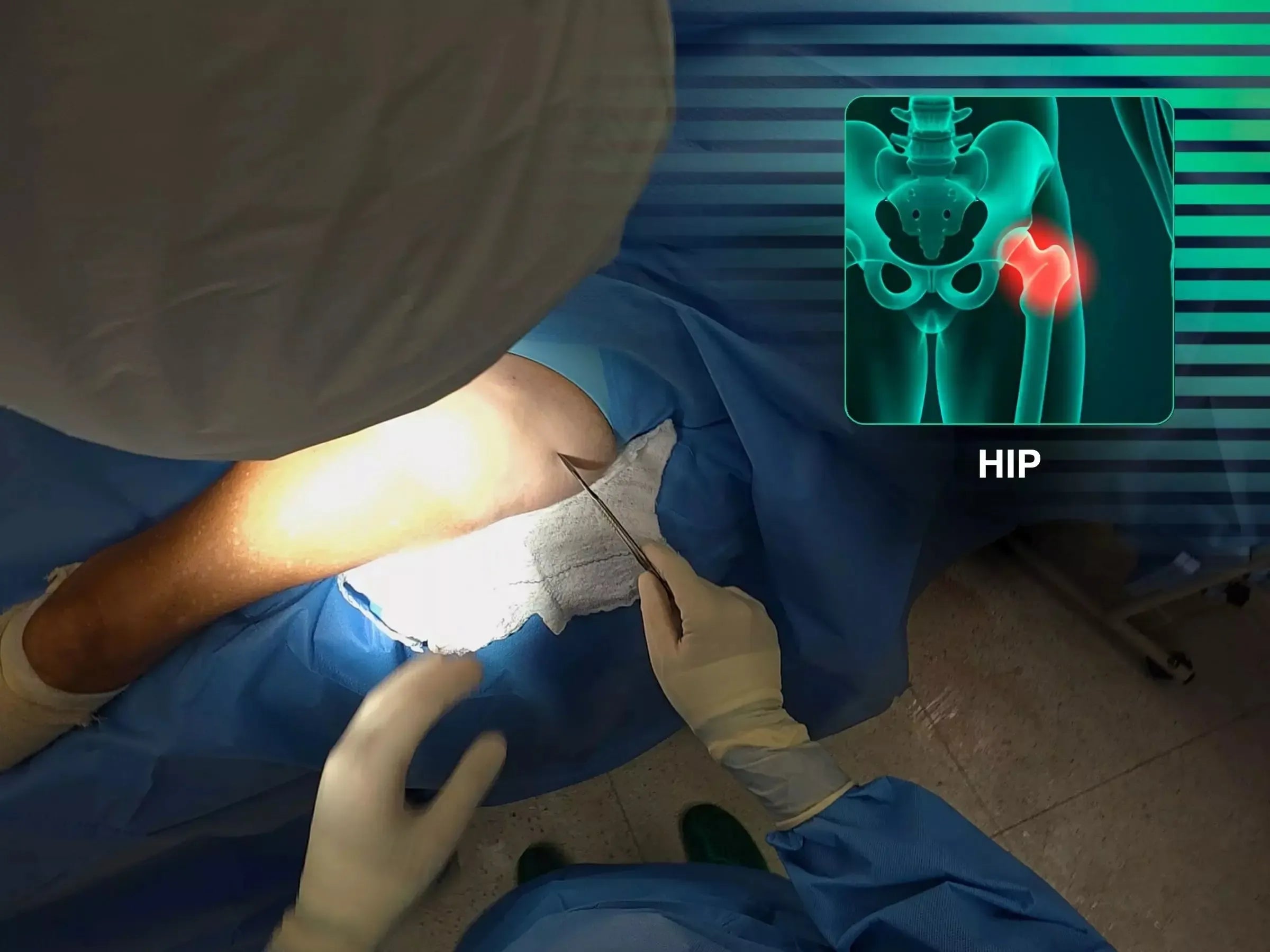
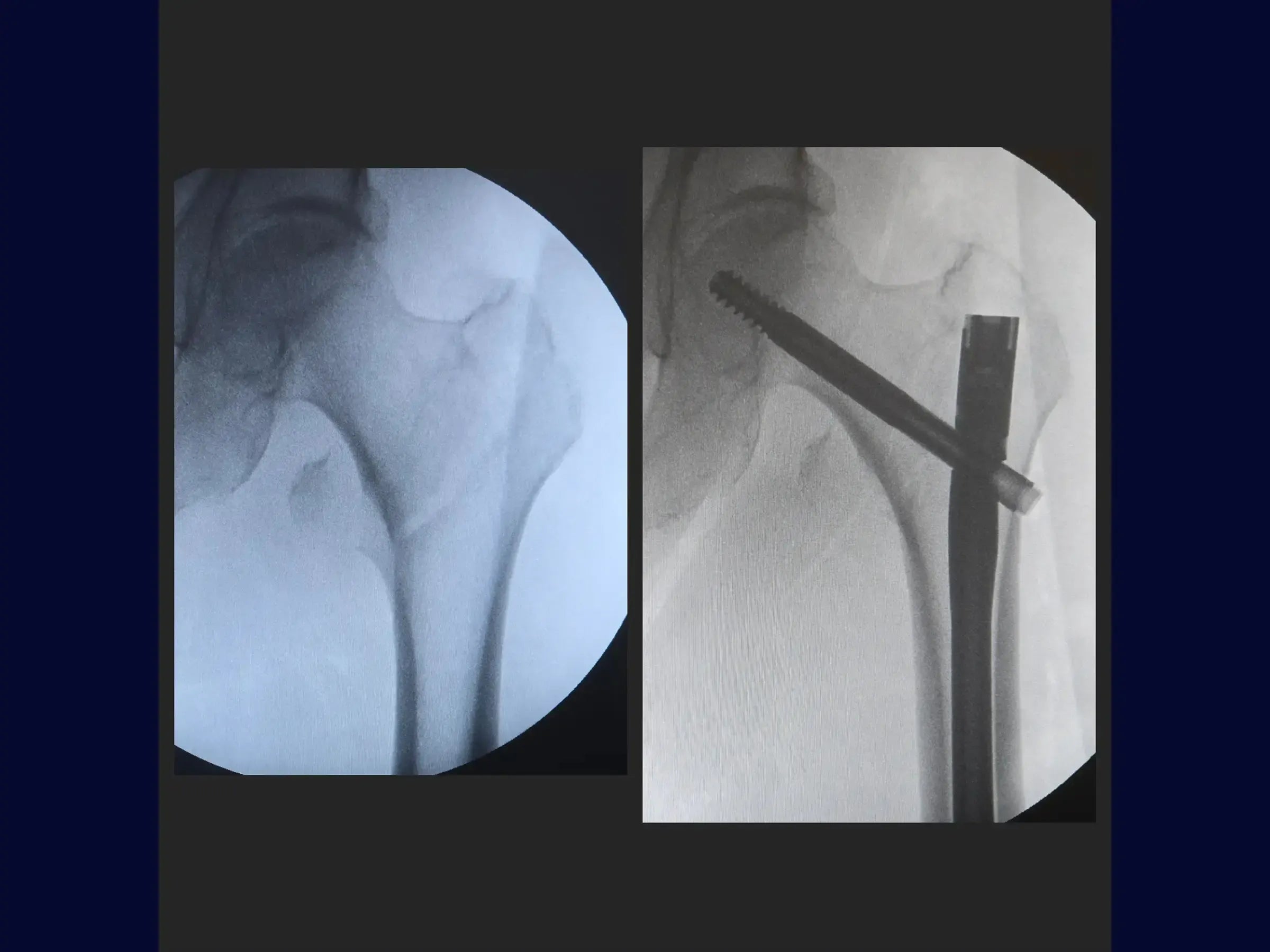
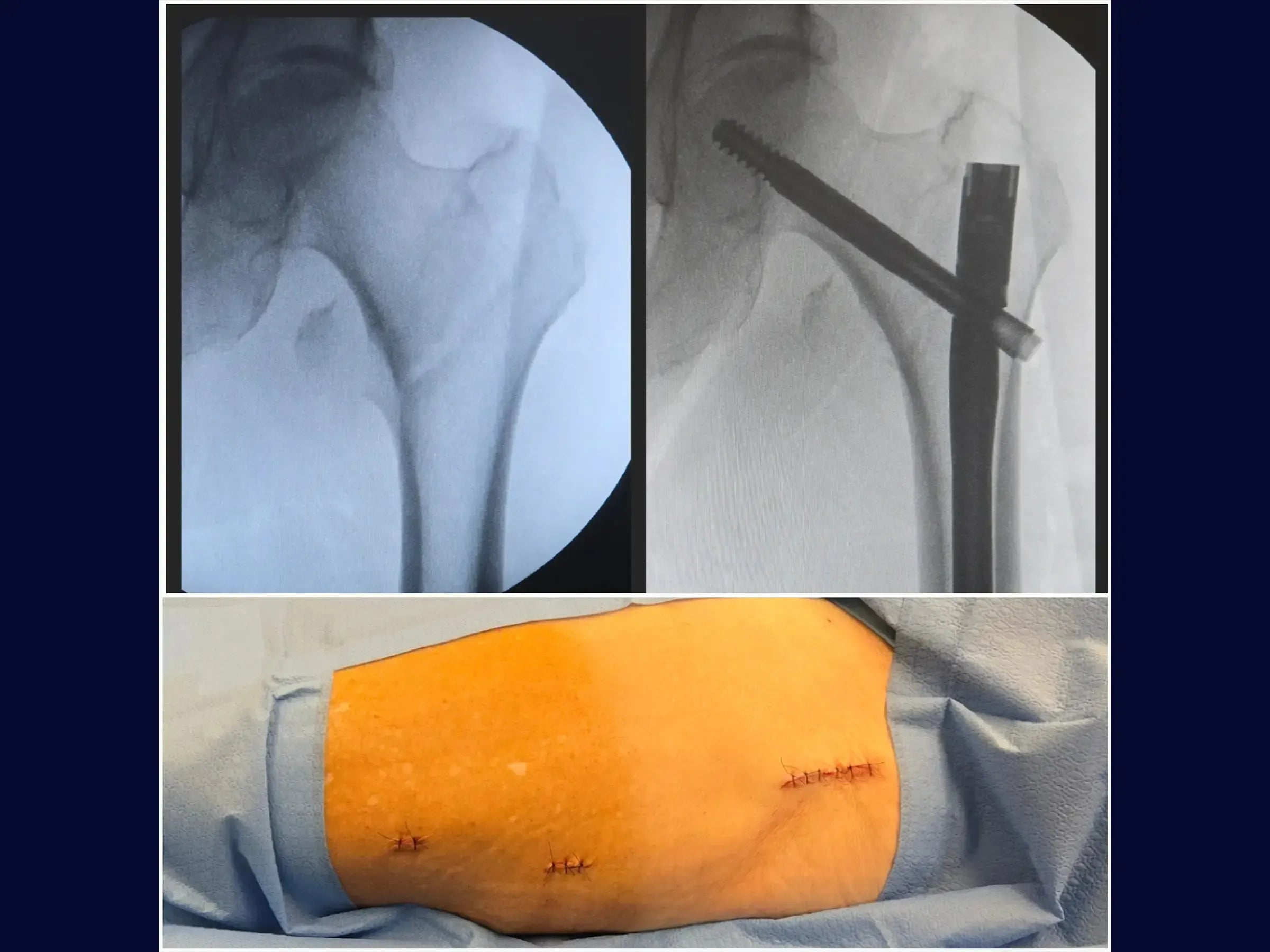
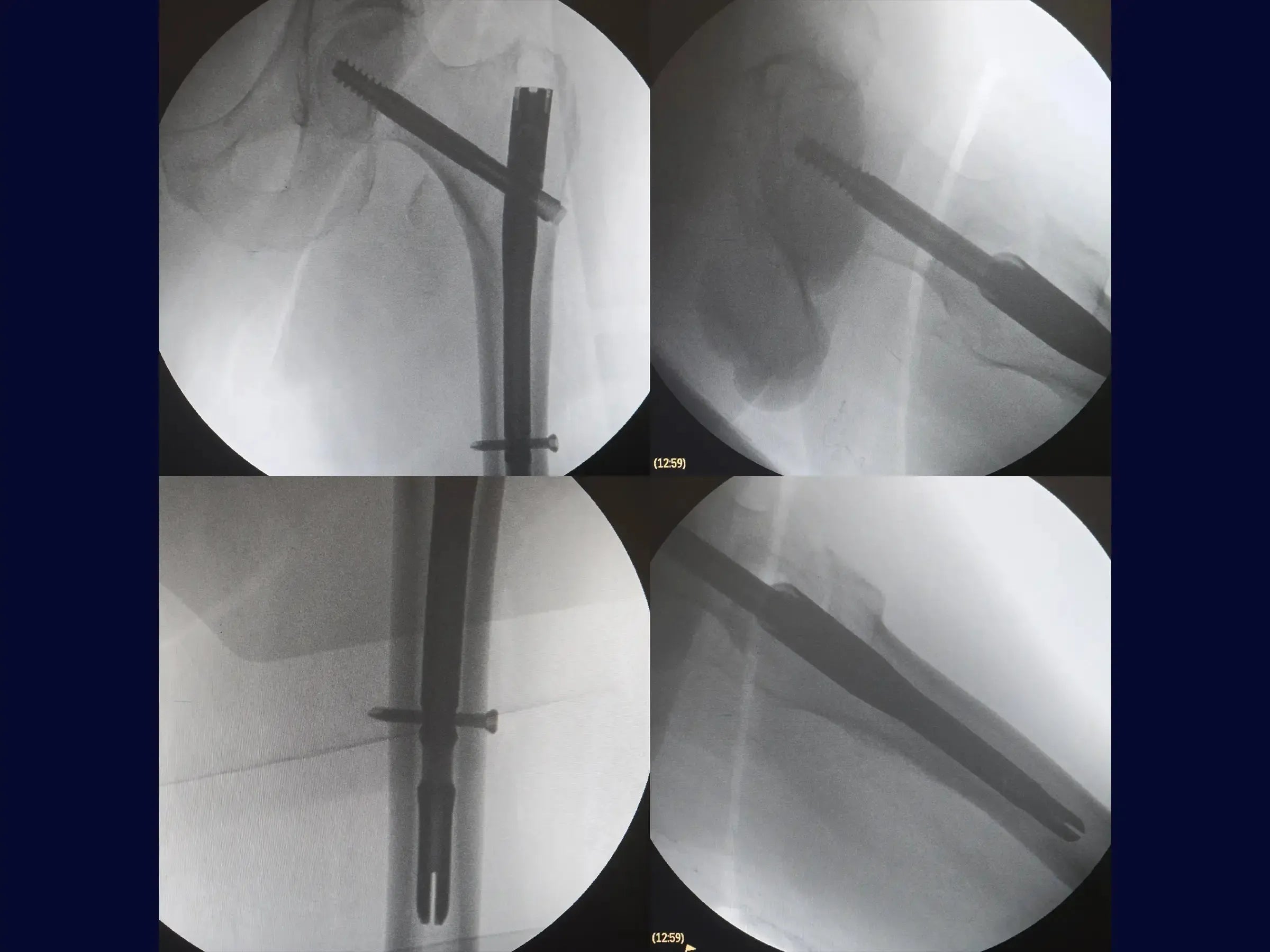
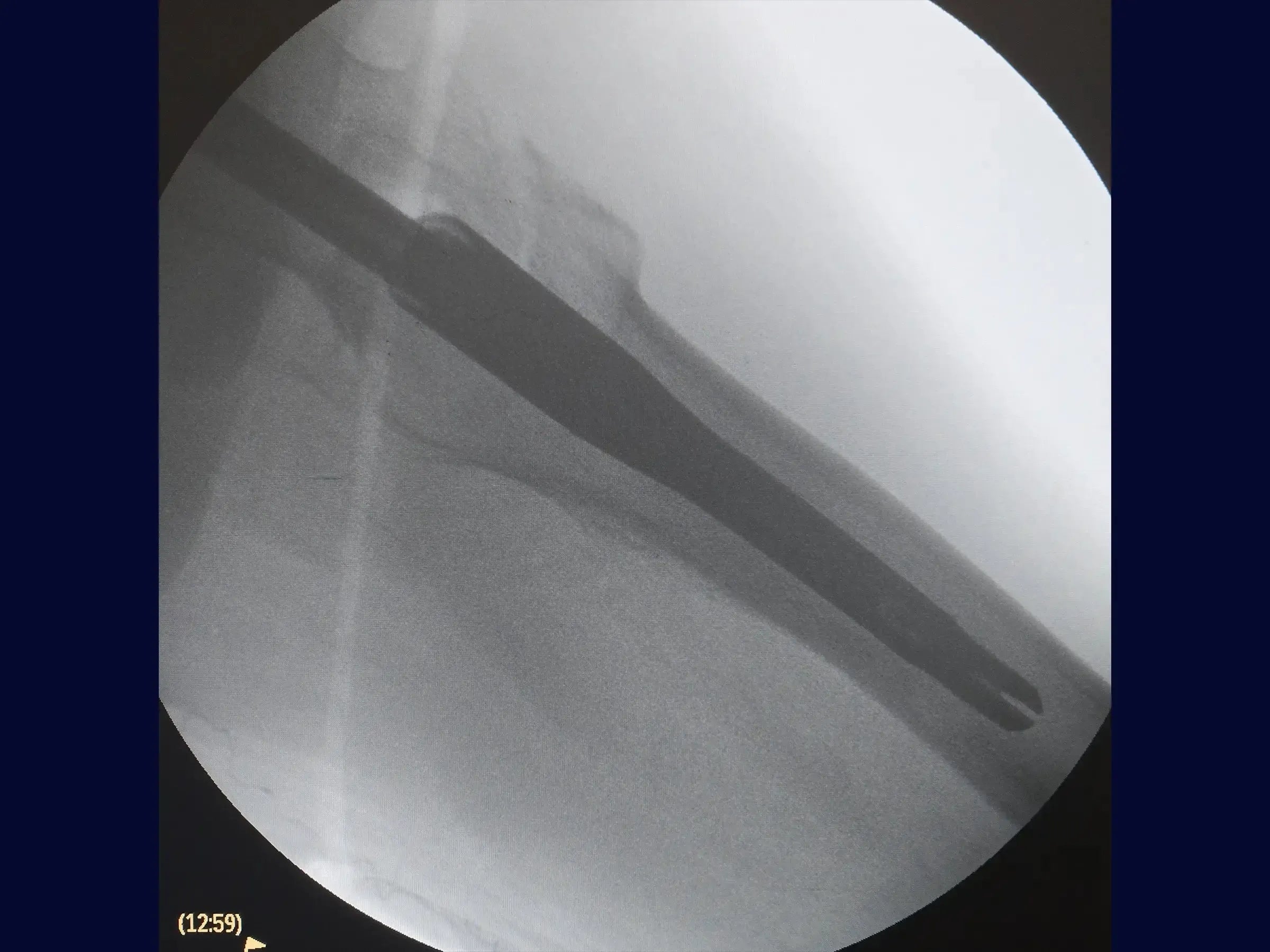
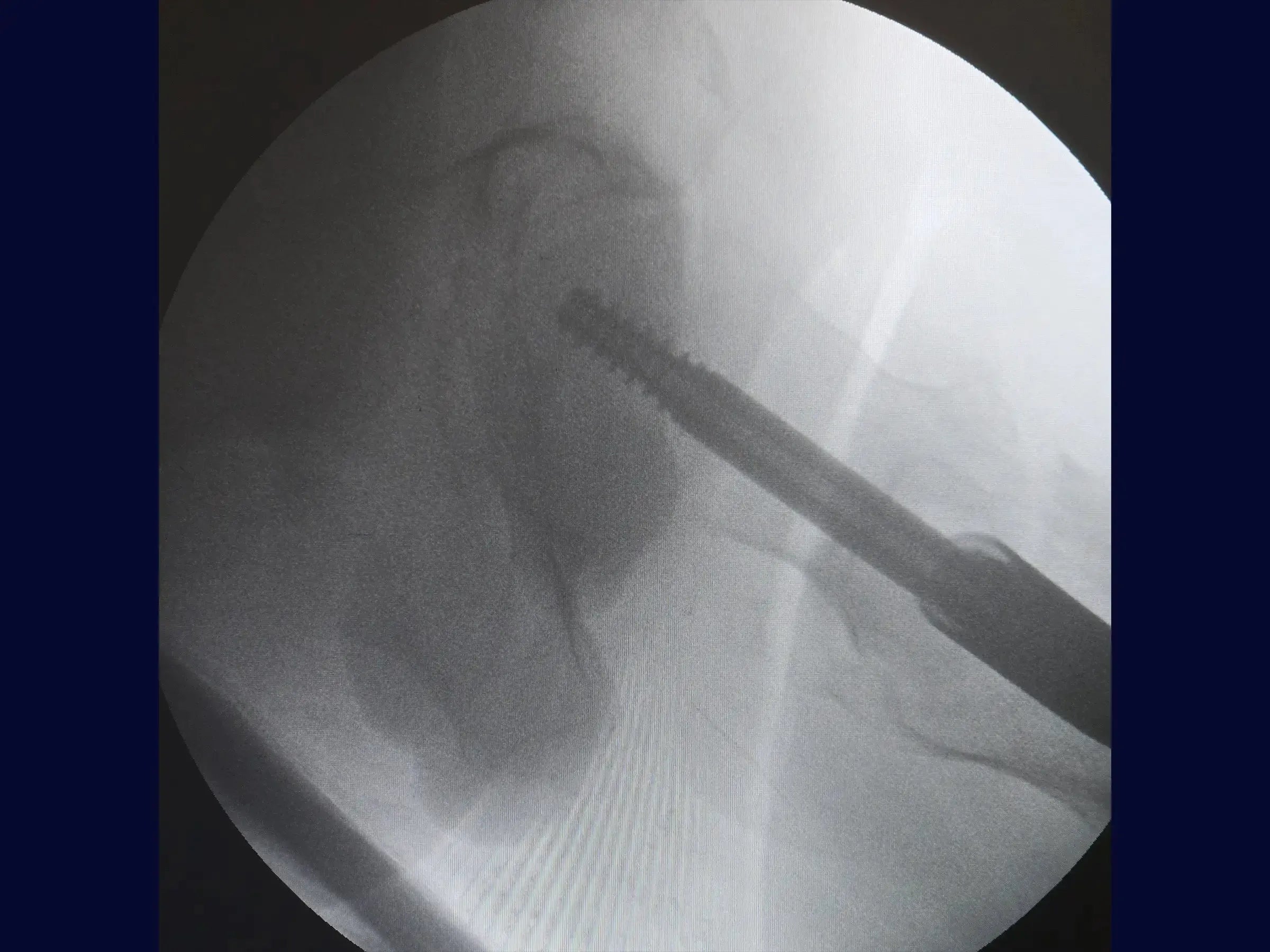
Master the surgical treatment of transtrochanteric femur fractures with an intramedullary nail, now without the need for a traction table. This training offers a practical immersion in the precision of guidewire entry point localization, optimization of lateral view positioning with a parallelism guide, and the technique for fixing sliding and locking screws. The objective is to provide a less invasive approach that allows for early weight-bearing and a favorable prognosis for the elderly patient.
Training Focus:
- Treatment of transtrochanteric femur fractures without a traction table.
- Precision in guidewire entry point localization.
- Optimization of lateral view positioning with a parallelism guide.
- Technique for fixing sliding and locking screws.
- Minimally invasive approach for early weight-bearing.
Detailed Content:
- Positioning and Guidewire: Learn to position the patient without a traction table and identify the guidewire entry point using an image intensifier, adjusting for the patient's BMI. Insert the guidewire under AP view guidance and confirm in the medullary canal with leg rotation.
- Lateral Optimization and Nail: To correct the lateral positioning of the wire, use a parallelism guide that centralizes the wire in the medullary canal and femoral neck, avoiding obliquity of the sliding screw. Open the medullary canal with a drill and soft tissue protector, and introduce the short intramedullary nail.
- Screw Insertion: Make a minimally invasive lateral opening for the sliding screw guidewire, confirming its direction towards the center of the femoral head in both views. Measure and insert the sliding screw, using a second guidewire to prevent its return. Distal locking is guided by the nail introducer, with a 1.5 cm incision. Ensure the sliding screw allows for controlled pistoning.
- Results: The fracture is anatomically reduced, with the implant well-positioned. Minimally invasive surgery allows for early weight-bearing for the elderly patient.
Included Material:
- Detailed PDF: Covers everything from positioning and guidewire entry point, optimization of lateral view positioning, medullary canal opening, nail and sliding screw insertion, to distal locking and finalization. It also includes a practical summary with the key points of the technique.
Transform your practice in proximal femur surgery. Enroll now and master the technique to operate transtrochanteric fractures without a traction table, optimizing your procedures and results.
Choose options
Transtrochanteric Fracture with Intramedullary Nail (Without Traction Table) 01

HD Surgical Videos
High-quality procedure-based training.